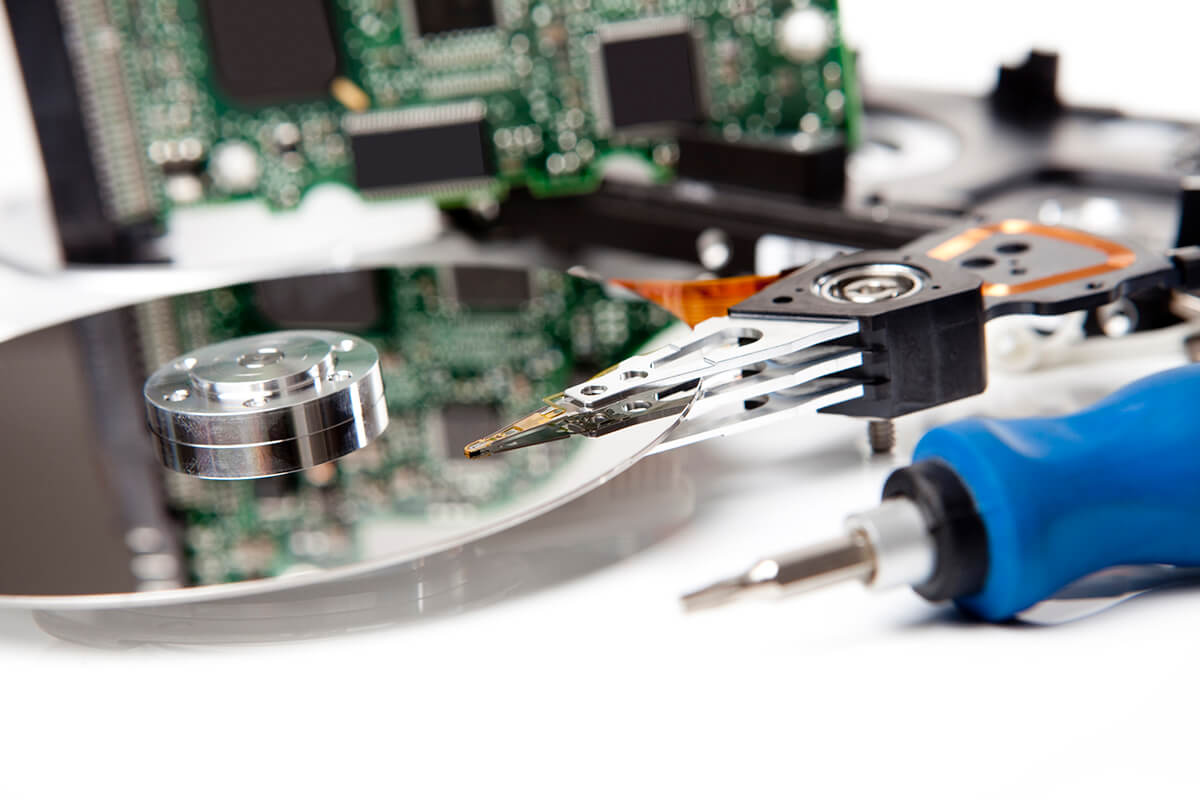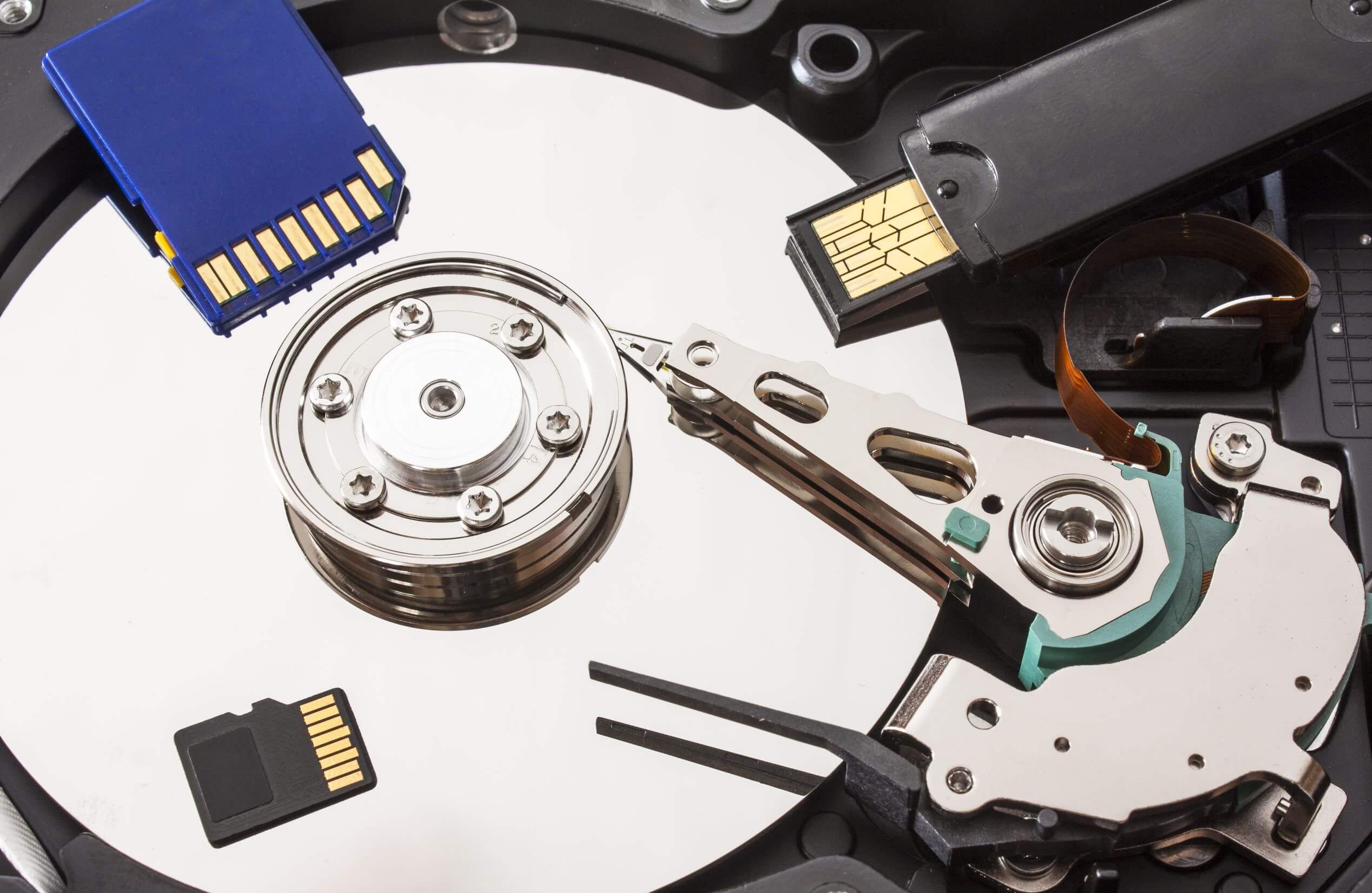
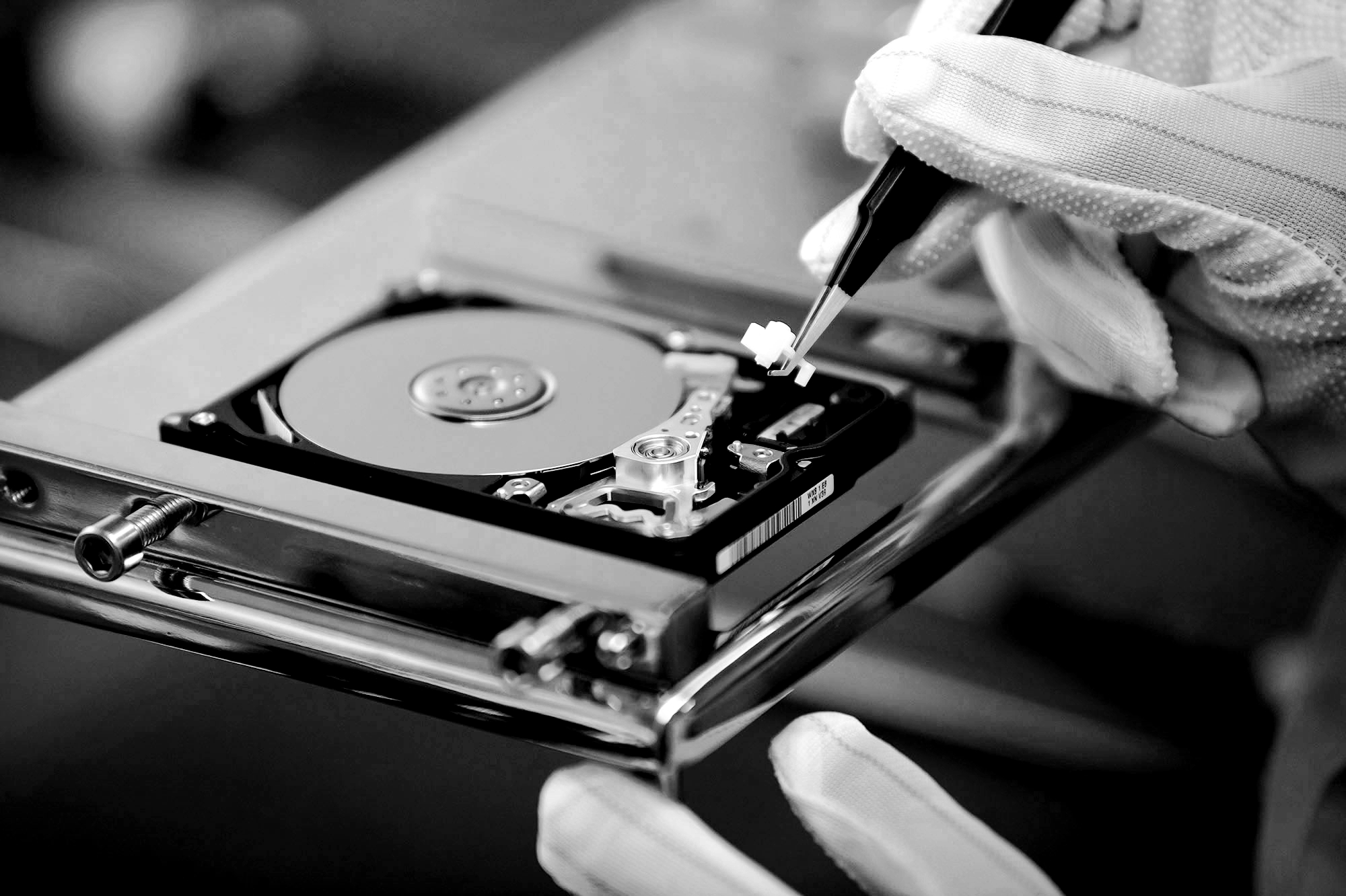
When it comes to recovering data from a damaged or malfunctioning hard drive, it might be tempting to attempt a DIY fix. However, opening a hard drive without proper tools or knowledge can cause irreparable damage, further complicating recovery efforts. This article explores why users should avoid opening hard drives themselves and highlights the critical importance of professional data recovery services.
The Importance of a Clean Environment for Hard Drives
Hard drives are manufactured in clean rooms, highly controlled environments designed to prevent contamination. These clean rooms are essential for producing and servicing hard drives because even the tiniest particles—like dust, hair, or fingerprints—can cause significant damage to the drive’s internal components. Here’s why it’s crucial not to open a hard drive outside of these specialized environments:
1. Contamination Risk
In an uncontrolled environment, such as your desk or home, contaminants can easily find their way into the hard drive. These can include:
- Dust
- Hair
- Fingerprints
- Organic debris (like skin cells)
- Inorganic debris (such as small particles of plastic or metal)
When these contaminants get inside the hard drive, they can scratch the platters (the spinning disks inside the drive), which may destroy the data stored on them. Even the smallest particles can cause severe damage, and once the drive is contaminated, recovery can become significantly more difficult, if not impossible.
2. Loss of Proper Alignment
Hard drives contain multiple moving parts, including the headstock, motor shaft, and platters. When a hard drive is opened improperly:
- The rotational synchronization between the headstock and platters could be lost, leading to mechanical failure.
- If the drive has multiple platters, their alignment could be disrupted, making it impossible to access the data without specialized tools.
- Misalignment of the motor shaft or the platters may prevent the hard drive from functioning properly, and it could become physically damaged during recovery attempts.
3. Physical Damage to the Platters
The platters are the heart of the hard drive, where all the data is stored. Scratches on these platters can permanently destroy data. If a hard drive is opened outside of a clean environment, even the tiniest contamination can cause scratches on the platters, making recovery incredibly difficult. In many cases, once the platters are damaged, the data may be permanently lost.
What Happens in a Professional Clean Room?
When a hard drive is opened for data recovery in a clean room, all of these issues are avoided. Here’s how it works:
1. Strict Environmental Controls
A clean room is a controlled environment where every factor that could affect the hard drive’s integrity is carefully monitored. Key factors include:
- Temperature
- Humidity
- Air quality (with constant filtration)
- Air pressure
- Antistatic protection
The air inside a clean room is continuously filtered to remove even the smallest dust particles, ensuring the environment remains free from contaminants. This precise control is essential for ensuring the hard drive remains intact during the recovery process.
2. Advanced Tools and Expertise
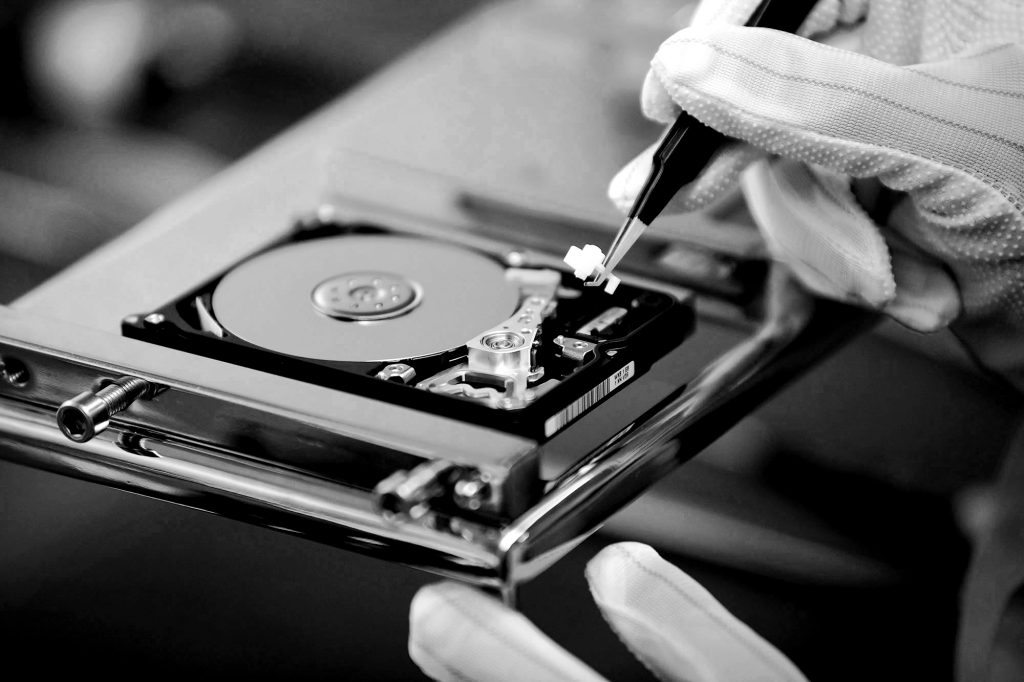
Opening a hard drive in a professional clean room requires specific tools and expertise that most consumers do not have access to. Companies specializing in data recovery use high-tech equipment, including microscopes and specialized mechanical tools, to carefully disassemble the drive, extract the platters, and read the data.
- Expert technicians are trained to handle delicate internal components with precision.
- The clean room’s design and equipment ensure that no contaminants interfere with the recovery process.
3. Maximizing Data Recovery Potential
By handling the hard drive in a clean room, technicians can recover data that would otherwise be inaccessible. Since the hard drive is opened in a sterile environment and with professional tools, there’s a significantly higher chance of successful recovery. In contrast, opening the hard drive outside of such a controlled environment almost guarantees that the data will be destroyed.
Why DIY Recovery Should Be Avoided
1. Risk of Further Damage
When you open a hard drive on your own, you risk further damaging the internal components, which can make recovery impossible. For example, even if you have some experience handling electronics, you’re not likely to have the precision tools or knowledge required to safely access and recover data without causing additional harm to the drive.
2. Voiding Warranty
If your hard drive is still under warranty, opening it will void the warranty. Manufacturers typically provide a warranty that covers repairs or replacement, but only if the drive remains unopened and undamaged.
3. Lack of Specialized Tools
Without access to the high-tech recovery tools used by professional data recovery specialists, you’re far less likely to successfully recover your data. Many recovery processes require precision instruments that are simply unavailable to the average user.
When to Seek Professional Data Recovery Services
If you’ve experienced data loss on a hard drive, don’t attempt to fix it yourself. The risks of causing irreversible damage are simply too high. Instead, contact a professional data recovery service. They have the experience, equipment, and controlled environments necessary to maximize the chances of a successful recovery.
Conclusion: Trust the Professionals with Your Data Recovery
Opening a hard drive in an uncontrolled environment can result in severe damage, leading to permanent data loss. Clean rooms, advanced tools, and experienced technicians are essential for recovering data safely and effectively. If you’ve encountered data loss on a hard drive, always consult a professional to ensure the best possible chance of retrieving your valuable data.
View More : https://idicmeonline.org/business/houston-data-recovery-is-the-best-solution-for-losses-data/