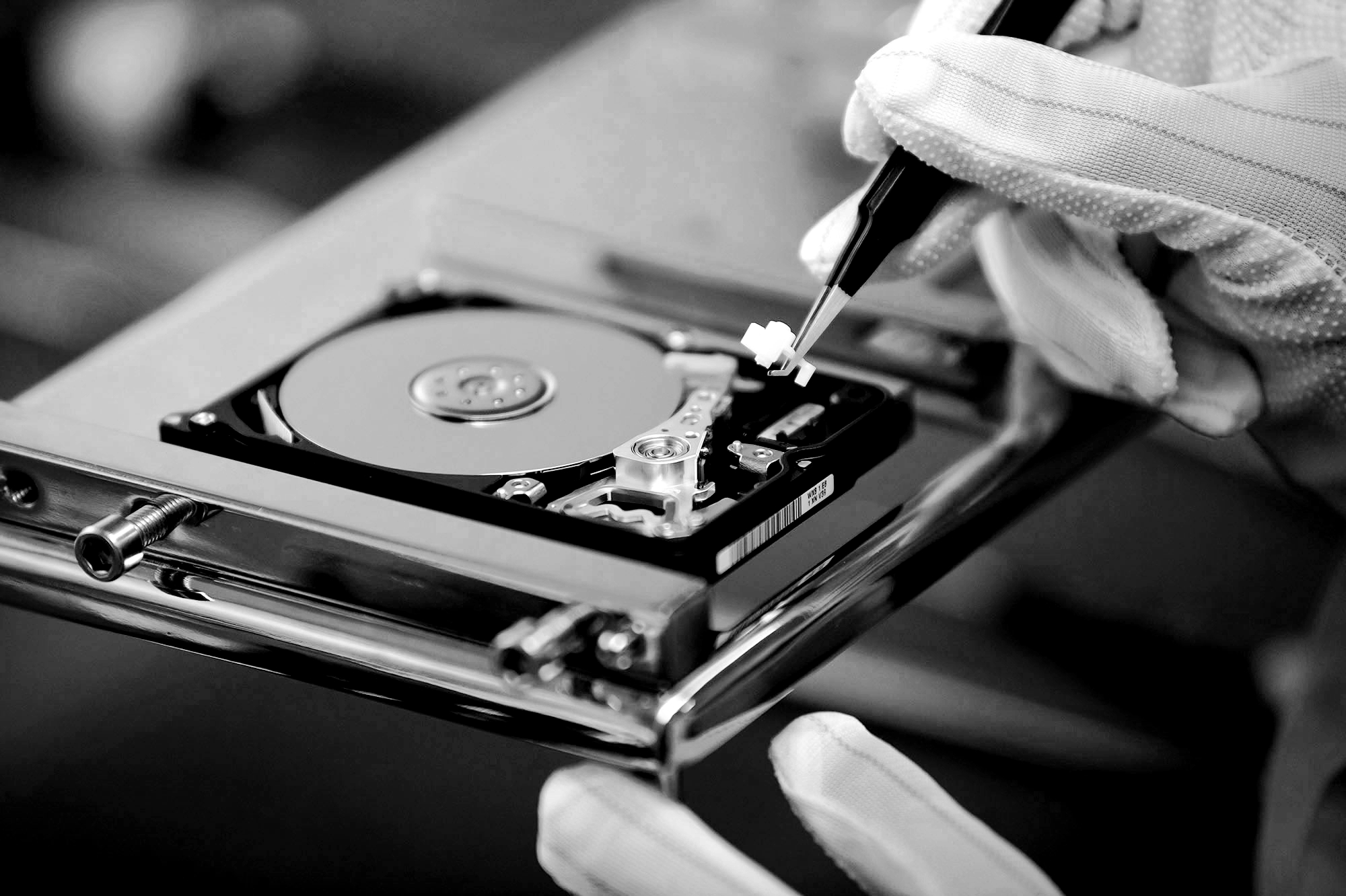

In today’s increasingly digitized world, criminal activity has evolved beyond physical spaces. From corporate fraud and intellectual property theft to cyberstalking and ransomware attacks, digital evidence has become central to the modern investigative process. At the heart of these investigations lies a highly specialized discipline: computer forensics.
Computer forensics, or digital forensics, is the science of identifying, preserving, analyzing, and presenting digital evidence in a manner suitable for legal proceedings. The work of digital forensic professionals is not only critical in criminal cases but also in civil litigation, internal corporate investigations, and incident response.
This article takes you inside a digital crime scene to examine how computer forensics professionals uncover hidden data, reconstruct timelines, and bring digital truth to light.
The First Step: Securing the Scene
Just as physical crime scenes must be secured to prevent tampering, a digital crime scene must be preserved to maintain the integrity of evidence. This is known as evidence acquisition and is the cornerstone of forensic credibility.
Forensic Imaging
The first task is to create a bit-by-bit forensic image of the target device—be it a hard drive, mobile phone, server, or cloud environment. This image is a complete replica, including deleted files, unallocated space, and file system metadata. No direct analysis is performed on the original media to ensure the preservation of its integrity.
Chain of Custody
Maintaining a proper chain of custody is essential. Every movement, access, or transfer of the evidence is documented to prevent disputes in court about the authenticity or tampering of data.
Digging into the Data: Analysis and Reconstruction
With the forensic image in hand, analysts move into the investigative phase. This involves a combination of automated tools and manual techniques to extract meaningful evidence from vast volumes of data.
File Recovery
Deleted files are not immediately removed from a drive; they remain in unallocated space until overwritten. Forensic software such as EnCase, FTK, or X-Ways can recover these files, often revealing attempts to conceal incriminating material.
Metadata and Timestamps
Every file and folder stores metadata—information about creation dates, modifications, and user access. This data allows forensic experts to reconstruct user activity and timelines, linking specific actions to individuals or timeframes.
Hidden Data and Obfuscation
Sophisticated actors may use data-hiding techniques such as steganography, encrypted containers, or alternate data streams. Forensic experts must detect and decipher these techniques to reveal hidden evidence. Sometimes, entire partitions are hidden or obscured to prevent discovery by traditional means.
Real-World Application: Common Case Types
Computer forensics is used in a wide array of real-world scenarios. Here are a few examples of how digital forensics plays a vital role in solving actual cases:
1. Insider Threats in Corporations
In cases where proprietary information is leaked or stolen, forensic analysts examine employee laptops, USB access logs, email servers, and file transfers to trace the flow of sensitive data. Deleted files, suspicious activity logs, or unauthorized file transfers often provide the smoking gun.
2. Financial Fraud and Embezzlement
Banking fraud, Ponzi schemes, or internal embezzlement frequently involve the manipulation of digital records. Forensic professionals extract and analyze accounting software logs, access permissions, and email communications to build a timeline and prove intent.
3. Cybercrime and Malware Investigations
When businesses are victims of ransomware or data breaches, forensic experts examine compromised systems to identify the attack vector, assess the scope of the intrusion, and isolate malware behavior. This often involves memory forensics, log correlation, and analysis of persistence mechanisms.
4. Criminal Prosecution and Law Enforcement
From human trafficking to child exploitation, law enforcement relies on digital forensics to extract chat logs, images, browsing history, and app data from computers and mobile devices. Evidence must be collected with precision to be admissible in court.
Reporting and Legal Testimony
After analysis, a digital forensic investigator prepares a detailed report. This document outlines:
- Scope of investigation
- Tools and methods used
- Findings and evidence recovered
- Interpretation of data
- Chain of custody details
This report must be clear, comprehensive, and written with the understanding that it may be scrutinized in a courtroom. Forensic analysts may also be called to testify as expert witnesses, where they must explain complex technical findings in terms understandable to judges and juries.
Challenges in Digital Forensics
Encryption and Anti-Forensic Tools
Modern devices increasingly use encryption by default, making it difficult to access or interpret data without proper credentials. Criminals may also deploy anti-forensic tools that overwrite metadata, scrub file systems, or generate misleading evidence.
Cloud and Remote Storage
The proliferation of cloud computing introduces additional complexity. Investigators may need to coordinate with third-party providers or navigate international data jurisdiction laws to access critical evidence.
Rapid Technological Change
New operating systems, apps, and file formats are constantly emerging. Staying ahead of technology trends and adapting methodologies is essential for forensic professionals to remain effective.
Conclusion
Computer forensics is an indispensable component of modern investigative work. From recovering deleted files to uncovering hidden digital footprints, forensic experts are the digital equivalent of crime scene investigators—only their terrain is data, and their tools are software, logic, and persistence.
Their work doesn’t just solve technical puzzles—it delivers justice, exposes deception, and protects individuals and organizations in a world where evidence is increasingly written in code.