
The debate between Solid-State Drives (SSDs) and Hard Disk Drives (HDDs) has long been central in discussions about computer storage. Both technologies have their merits, but when it comes to data recovery, the differences between SSDs and HDDs become especially critical. In the context of data recovery, understanding how these two storage mediums operate and their respective vulnerabilities is crucial for both professionals and end users alike.
This article explores the fundamental differences between SSDs and HDDs, their implications for data recovery success, and which technology offers better prospects for salvaging lost data.
Understanding the Basics: SSD vs. HDD
Before diving into the intricacies of data recovery, it’s important to understand the core differences between SSDs and HDDs.
HDD: A Traditional Approach
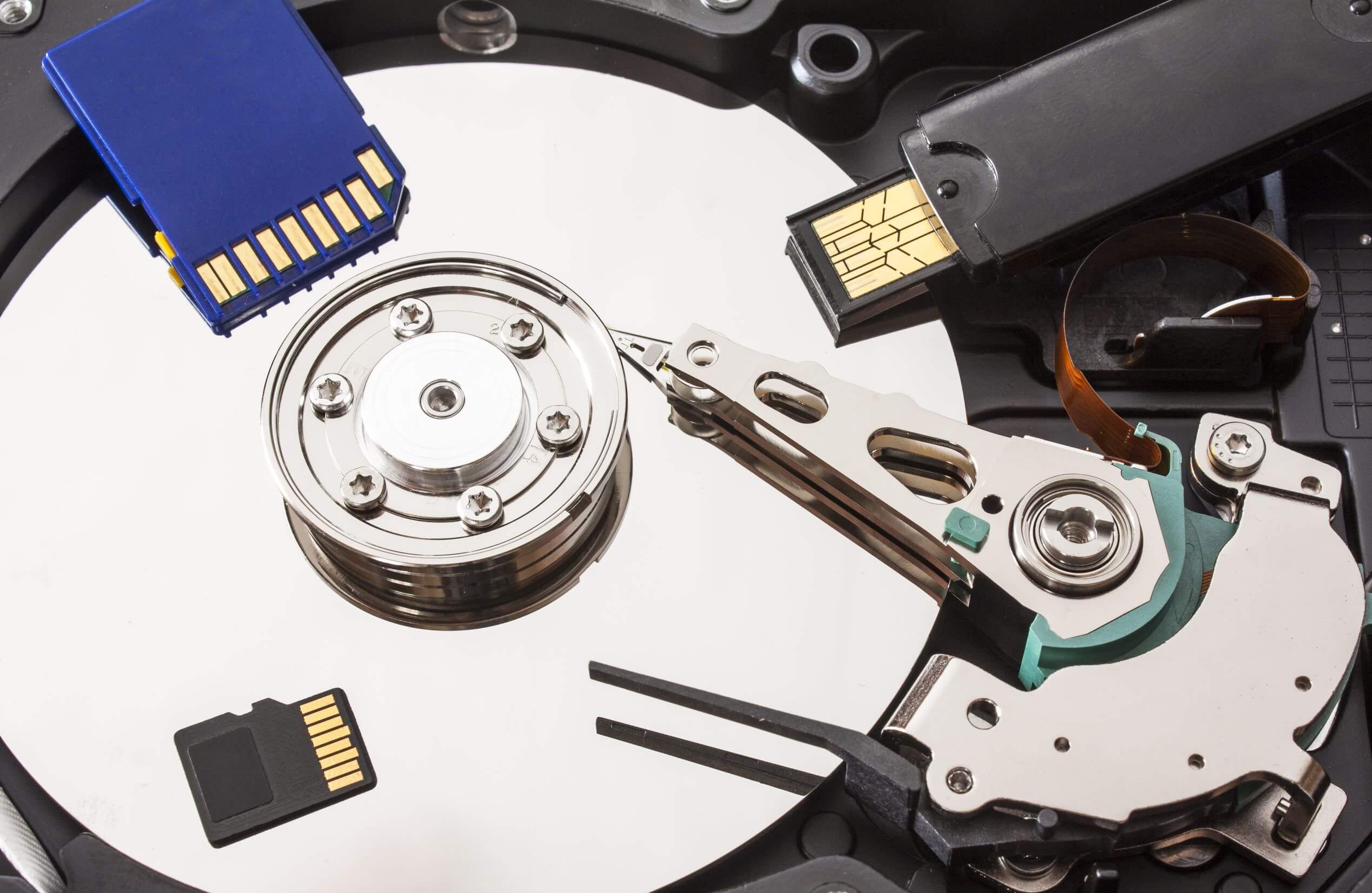
Hard Disk Drives (HDDs) are the older of the two technologies, having been around for several decades. They function by using magnetic storage on spinning disks. Data is written and read by read/write heads that move across the disk’s surface, much like a needle on a vinyl record. The mechanical nature of HDDs is both a strength and a limitation. They provide reliable long-term storage but are more susceptible to physical damage due to their moving parts.
SSD: Modern, Speedier, and More Durable
Solid-State Drives (SSDs), on the other hand, are newer and operate using flash memory, similar to USB drives and memory cards. Instead of spinning disks and moving parts, SSDs rely on non-volatile memory cells to store data. This design makes them faster, more durable, and less prone to physical damage from drops or shocks. The lack of moving parts contributes to their quieter, energy-efficient operation.
Data Recovery Challenges: HDD vs. SSD
The process of data recovery—restoring lost or inaccessible data from a damaged or corrupted drive—varies significantly between SSDs and HDDs. The core challenge lies in how data is stored, accessed, and manipulated on each medium.
Data Recovery in HDDs
Because HDDs store data on magnetic disks that are physically written and read by mechanical heads, the recovery process is relatively straightforward in cases of logical failure (such as file corruption or accidental deletion). Even in cases of physical failure, such as damaged read/write heads or motor failure, data recovery is still possible, though more complex. Skilled technicians can often repair or bypass the faulty components, access the spinning platters, and recover data.
The main advantage of HDDs in terms of recovery is that the data is spread across the platters in a linear fashion, meaning that even if part of the drive is damaged, it may still be possible to recover data from undamaged areas. Moreover, tools like disk imaging software can create exact duplicates of damaged drives for further analysis, increasing the likelihood of successful recovery.
Data Recovery in SSDs
SSDs present a different set of challenges. While data recovery from SSDs is possible, it is generally more difficult due to the way data is stored and accessed. SSDs use a technology known as wear leveling, which spreads data evenly across the drive to prevent certain areas from wearing out faster than others. This technique can result in fragmented data, meaning that recovering an entire file or piece of information can be more complex than in HDDs.
Another major hurdle for SSD data recovery is the presence of TRIM. The TRIM command is designed to manage the way SSDs delete data. When a file is deleted, the TRIM command tells the SSD to immediately wipe that space, making it difficult to recover deleted data. Unlike HDDs, where deleted files can often be recovered by scanning unallocated sectors, SSDs may effectively erase data the moment it is deleted.
The Impact of Physical Damage
In the case of physical damage, HDDs and SSDs behave very differently. While an HDD can suffer from mechanical failure, data recovery professionals can often disassemble the drive in a clean room environment and retrieve data directly from the platters. SSDs, on the other hand, often have more complicated failure modes, such as the breakdown of memory chips or issues with the controller, which can make recovery more challenging.
In cases where the controller or firmware fails in an SSD, data recovery typically requires specialized tools and expertise. Unlike HDDs, where data can be retrieved from a damaged disk through mechanical repair, SSD data recovery may require replacing faulty components or even using custom-built tools to extract data from damaged memory chips.
Data Recovery Success Rates: SSD vs. HDD
HDD Data Recovery Success Rates
The recovery rate for data from an HDD is relatively high, particularly for logical failures. In fact, many recovery professionals can recover 80-90% or more of data in cases of non-physical damage. Even in cases of physical damage, such as damaged heads or motor failure, data recovery success rates can be high if the damage is not too extensive. For example, when the heads fail but the platters remain intact, specialized repair services can often recover data by accessing the platters directly.
HDDs are also more forgiving when it comes to minor physical damage, as the mechanism can often continue functioning in a degraded state, allowing technicians to perform a more thorough recovery process.
SSD Data Recovery Success Rates
SSD data recovery success rates are more variable and depend heavily on the type of failure. In cases where the SSD fails due to controller or firmware issues, recovery can be very challenging and may not always be successful, as the necessary tools and expertise are rare and expensive. The wear leveling and TRIM mechanisms complicate data recovery further by effectively erasing data that is no longer in use.
However, in cases where the SSD failure is due to physical damage to the memory chips, the success rate can still be reasonable, provided the chips are intact. Recovery from these types of failures typically involves physically extracting the memory chips and using sophisticated hardware to read the data.
Conclusion: Which Is Better for Data Recovery Success?
When it comes to data recovery, HDDs tend to offer better success rates overall, primarily due to their mechanical nature and the ability to recover data from undamaged sections of the disk. The recovery process is generally more predictable, and the tools required for recovery are more widely available.
SSDs, while faster and more durable, present a more complex challenge in data recovery due to their reliance on advanced technologies like wear leveling, TRIM, and solid-state memory. In the event of failure, SSD recovery often requires specialized tools and expertise, which can make the process more costly and less successful, especially in cases of logical failure or damage to the controller or memory chips.
Ultimately, the best approach to data recovery is to back up critical data regularly, whether on an SSD or HDD, to mitigate the risk of data loss. However, if you’re dealing with a failed drive, the chances of recovery are generally higher with an HDD, provided there are no severe physical damages or severe mechanical issues.
For SSD users, working with a qualified data recovery expert with experience in solid-state technology is crucial to maximizing the likelihood of successful recovery.